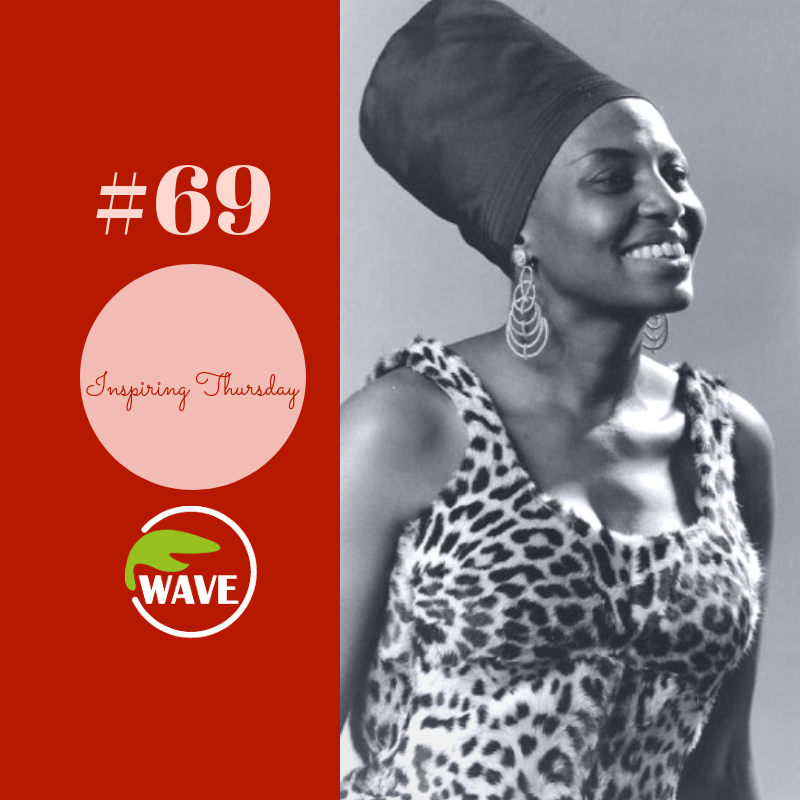
Miriam Makeba, nicknamed Mama Africa, was a very famous and influential South African singer and a civil rights and anti-apartheid activist. Recognized for having been the first artist to take the unique sounds of Africa to countries beyond the borders of her homeland, Miriam used her musical talent to fight against apartheid in South Africa and for civil rights in the United States.
Implementing the Istanbul Convention into Romanian legislation
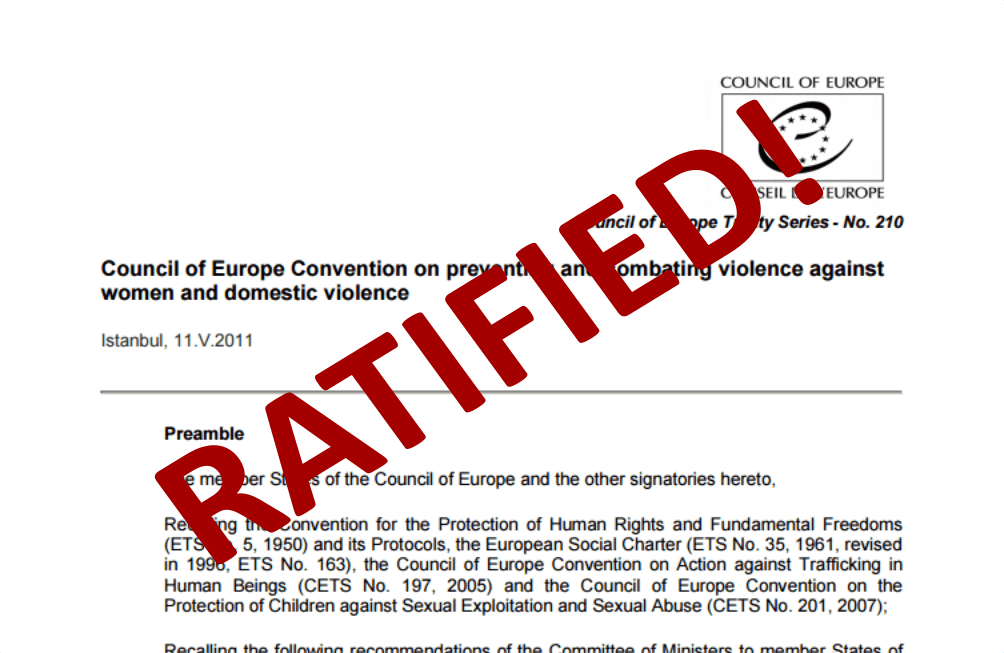
Romania signed the Council of Europe Convention on preventing and combating violence against women and domestic violence (Istanbul Convention) in 2014 and ratified the Convention in 2016, which entered into force as of September 1st, 2016.
Through Law no.174/13.07.2018, the provisions of the Istanbul Convention were partially transposed. Provisions of art. 9 par. (1) lit. b) and c) and par. (3) lit a) and b) from the Directive 2012/29/EU of the European Parliament and of the Council of 25 October 2012 establishing minimum standards on the rights, support and protection of victims of crime, and replacing Council Framework Decision 2001/220/JHA, were published in the Official Journal of the European Union, L series , issue 315, November 14th, 2012.
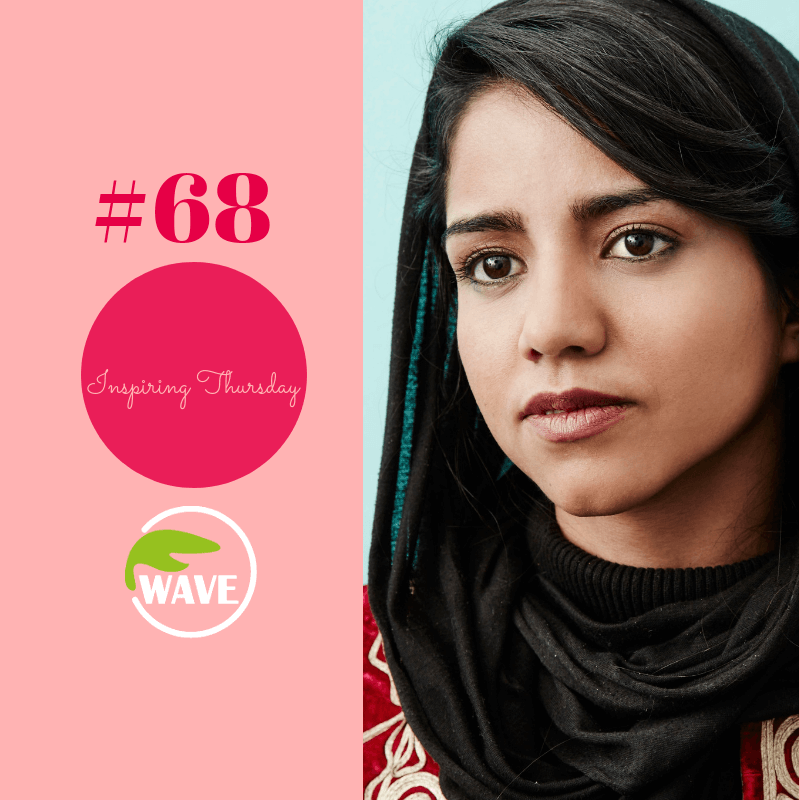
Inspiring Thursday: Sonita Alizadeh
“I saw them with bruises on their faces. I heard them talking with fear about getting married. They were 15 and 16 years old, but they acted like old women, tired of being alive. They were being forced to marry and they were giving up on their own lives. I wanted to talk about that and bring attention to this problem… so I started to rap about it.” – Sonita
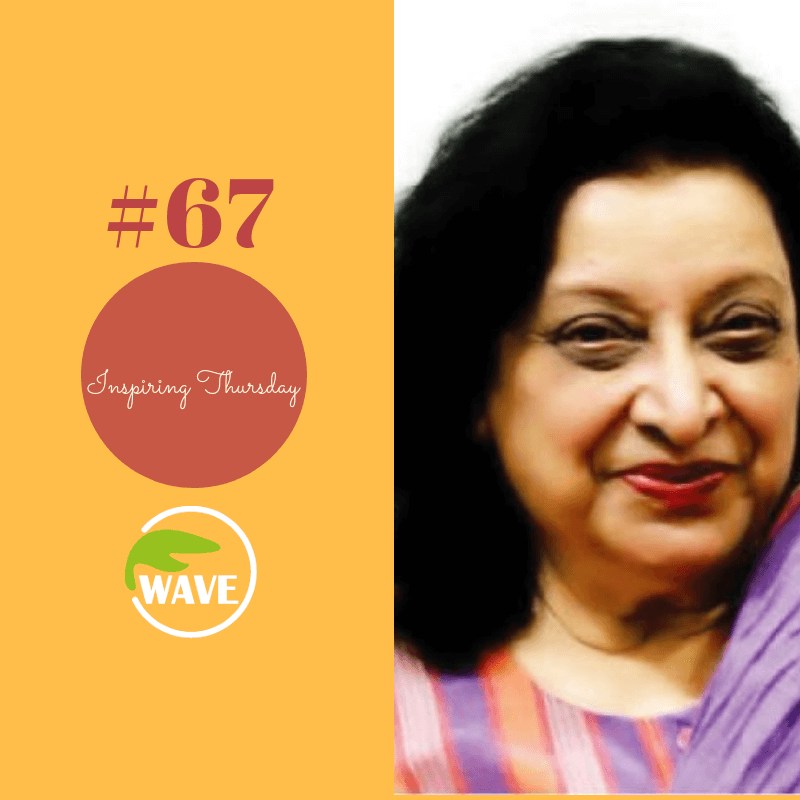
Inspiring Thursday: Fahmida Riaz
Born in Meerut in 1946 and brought up in Hyderabad, Fahmida Riaz was a Pakistani feminist poet, writer, and human-rights activist. She was an important pioneer of women´s writing as well as for her radical and feminist political positions in Pakistan, a male-dominated state.
From Istanbul to a Clash of Civilisations: A Story of a Hijacked Convention in Slovakia
In the beginning of the decade, everything seemed to go smoothly towards quick ratification of the Istanbul Convention in Slovakia. The Minister of Justice signed the Convention in Istanbul on the date of its opening for signature, being in fact among the first Member States of the Council of Europe to do so. Government experts in cooperation with NGOs elaborated a legal analysis and started to implement an entire array of complex legal amendments required by the Convention. Experts and NGOs expected a standard procedure − ‘business as usual’.
Slovakia has already had a decade-long history in the promotion of gender equality with the first governmental Gender Equality Strategy adopted back in 2009, and additionally two more action plans to combat violence against women. Although the progress was anything but significant, no one ever doubted the agenda of gender equality as such. Today, looking back to those times, it seems that Slovak people are living in a totally different country.
Inspiring Thursday: Qiu Jin
My body will not allow me
To mingle with the men
But my heart is far braver
Than that of a man.
-Qiu Jin
Inspiring Thursday: Anna Politkovskaya
“How we react to the tragedy of one small person accurately reflects our attitude towards a whole nationality, and increasing the numbers doesn’t change much” ― Anna Politkovskaya
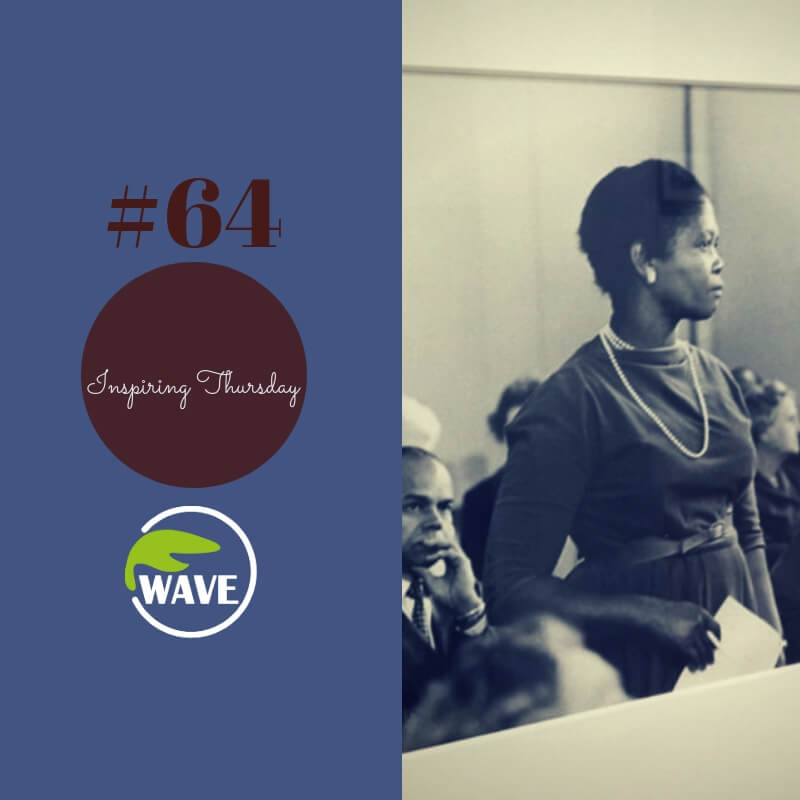
Inspiring Thursday: Lillian Ngoyi
South African activist Lillian Ngoyi was known as ‘the mother of the black resistance’ and she served as president of the women’s league of the African National Congress. For 18 years of her life, she lived as a banned person – an attempt by the South African government to silence her.
Inspiring Thursday: Zitkala-Sa – Red Bird
Gertrude Simmons Bonnin, Zitkala-Sa – Red Bird, was a writer and an Indian rights activist who strove to expand opportunities for Native Americans and to safeguard their cultures, as well as a teacher and a magazine editor.
Rape trials: re-victimising the women instead of punishing the perpetrators
“She didn´t say no”, “She meant yes when she said no”, “She was drunk but she knew what she was doing”, “She didn´t scream”, “She wore a short dress”, “You have to look at the way she was dressed. She was wearing a thong with a lace front”, “By her behaviour, her dress or by her look, she asked for it”, “Are you sure it was not your fault? Maybe you provoked him”, “There was no crying, no screaming. You didn´t push him away”.
These are forms of victim blaming and rape myths which are “attitudes and beliefs that are generally false but are widely and persistently held, and that serve to deny and justify male sexual aggression against women” (Kimberly Lonsway and Louise Fitzgerald in Psychology of Women in 1994). They are tied to stereotypes about how victims of rape should behave before, during and after the assault.
Another common assumption is that rapes are mostly committed by strangers even though the majority of rapes are committed by someone known to the victim, such as a friend, a colleague, a family member, partner or ex-partner. The ‘stranger myth’ sends the wrong message that a sexual assault committed by someone known to the victim is not rape and, consequently, it should not be a crime.
Gender biases are deeply rooted in the justice system. Victims of rape face social and legal barriers such as gender stereotypes, misconceptions of what sexual violence is, victim-blaming, credibility questioning, inadequate support and ineffective legislation. In the end, rapes are hugely under-reported due to lack of trust in the justice system or because of fear of not being believed. It takes a lot of courage and determination to report a rape and when women do so, they are often blamed and humiliated, being repeatedly asked what they did to provoke it or why they put themselves in a particular situation. Too often police, lawyers for defendants and judges question the victim of rape about what she was wearing and use the length of her dress as an indicator of the consent.