We are pleased to present the WAVE Fempower Magazine 2026, WAVE’s annual publication featuring contributions from members across the network. As digital spaces increasingly become sites of harm, surveillance and control, this year’s edition looks at how women’s specialist services, advocates and researchers across Europe are responding to technology-facilitated violence against women and girls.
The 2026 edition of Fempower, “Technology-Facilitated Violence Against Women and Girls: Feminist Responses in a Digital Age”, brings together frontline practice, research and policy analysis from across the network.
This issue features seven articles from WAVE members in Albania, Croatia, Germany, Latvia, Spain and the UK. The authors look at how perpetrators use technology to extend control and abuse, where laws and support systems still fall short, and how survivor knowledge can shape the response.
Articles Featured in This Issue:
Beyond Cyber Violence: Is the Transposition of the EU Directive an Opportunity to Recognise Digital Coercive Control?
Kristina Kulić (Croatia)
The article shows how perpetrators use everyday digital tools, from online banking to school groups and public health portals, to keep monitoring and controlling women, often after separation. It argues that Croatia’s transposition of the EU Directive on combating violence against women and domestic violence is an opportunity to address digital coercive control within stalking provisions, protection orders and risk assessment.
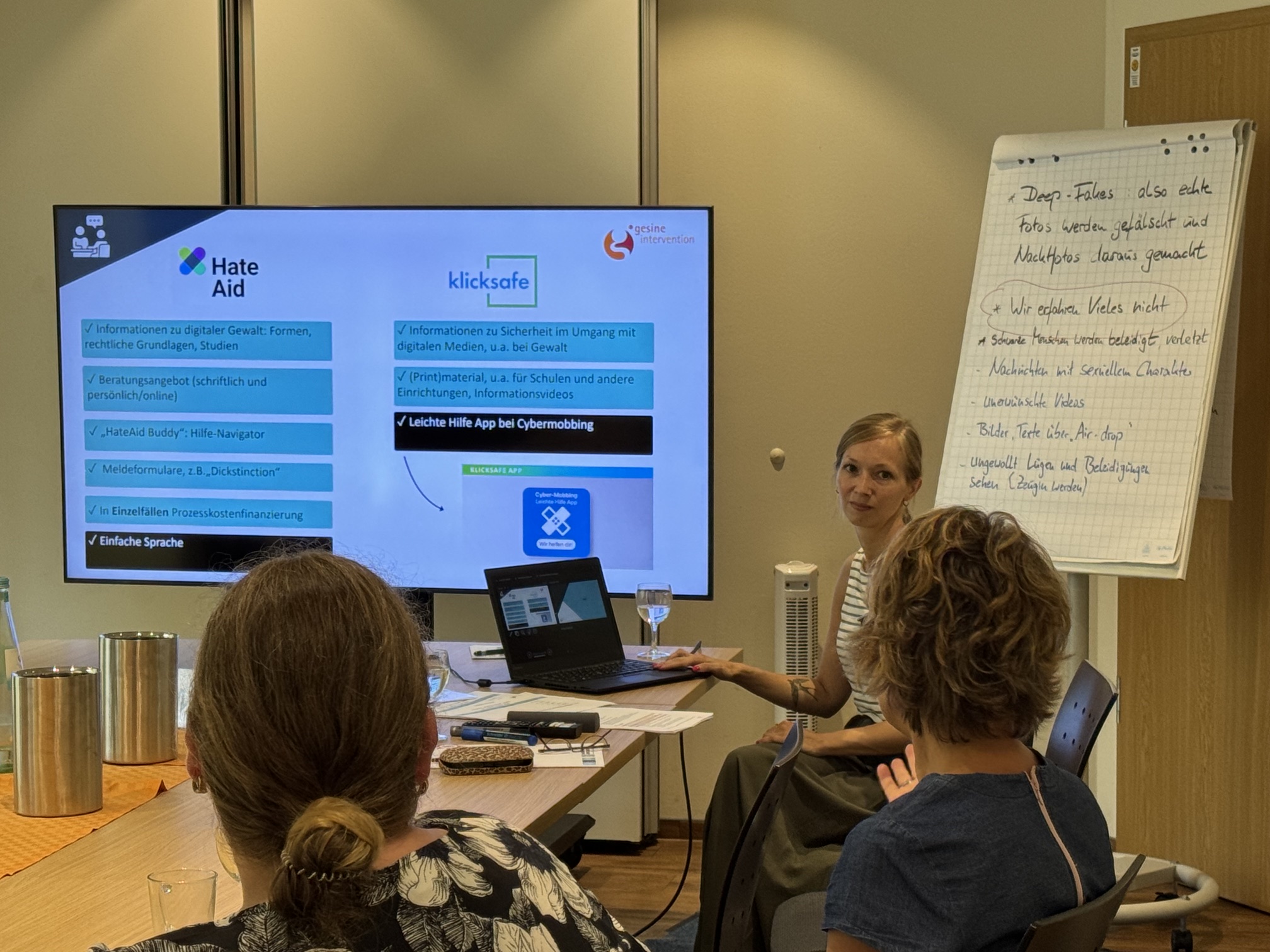
Co-Creating Safer Digital Spaces for Women with Disabilities: A Participatory Approach to Preventing Technology-Facilitated Violence
Olga Damsen and Janne Hofmann, GESINE Intervention (Germany)
The article presents a participatory project in which women with cognitive disabilities shape training on digital violence, using Easy Language materials developed from their own experiences. It shares lessons from the pilot sessions and calls for training on digital violence for women with disabilities and the professionals working with them, with a named contact person for digital safety in every facility.
Not Yours to Take: Latvia Criminalises Non-Consensual Sharing of Intimate Images
Polina Filipova, MARTA Centre (Latvia)
The article examines Latvia’s new criminal provision on the non-consensual sharing of intimate images, which also covers AI-generated and manipulated material. It places the law in the context of the EU Directive and the current debate in Latvia about the Istanbul Convention, and argues that responsibility must lie with the person who violated consent.
Who Can Log In? Digital Exclusion as a Hidden Driver of Technology-Facilitated Violence Against Migrant Women
Ana Freire Jácome, Por Ti Mujer (Spain)
Drawing on focus groups with migrant women in Spain, the article shows how digital exclusion becomes a barrier to information, support and protection as public services and migration procedures move online. It calls for accessible information, help with digital procedures and non-digital alternatives.
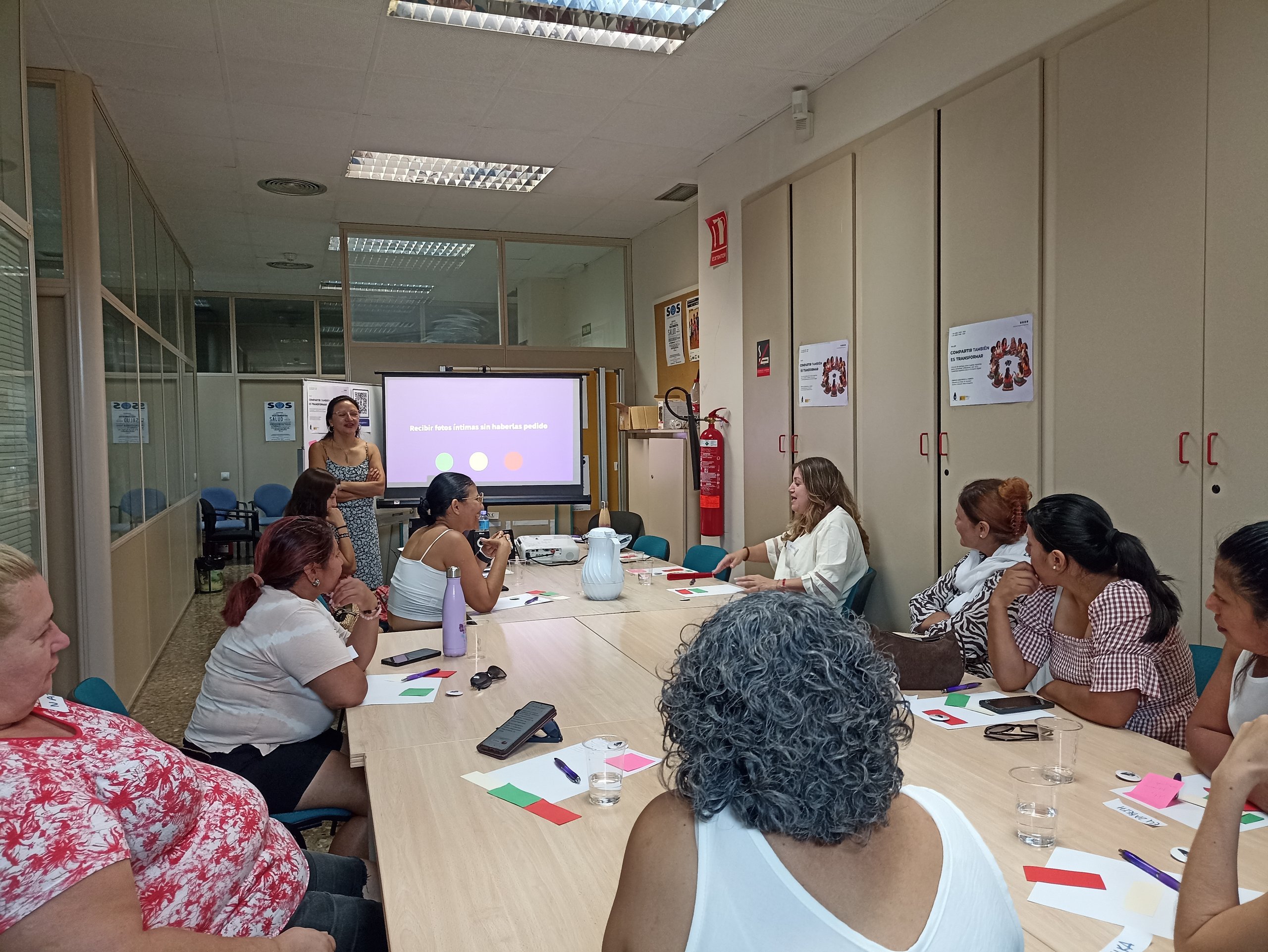
digital violence against migrant women
From Online Deception to Human Trafficking: Frontline Responses to Technology-Facilitated Violence Against Women and Girls in Albania
Brikena Puka and Oliana Manaj, Psycho-Social Center ‘Vatra’ (Albania)
Based on Vatra’s caseload since 2024, the article shows how recruitment into trafficking increasingly begins online, through job offers, messaging apps and relationships. It sets out the challenges for frontline identification, interpretation and digital evidence, and calls for stronger digital literacy among professionals and faster cross-border cooperation.
Abuse in the Digital Age: How We Respond to the Emerging Threats Facing Women and Girls
Kiera Brodie, Refuge (England, UK)
The article draws on the work of Refuge’s specialist team on technology-facilitated and economic abuse, which saw referrals rise by 78% in one year. It describes emerging forms of abuse, including tracking through smartwatches and hidden cameras, and makes the case for an intersectional approach and a clear government strategy backed by enforceable regulation.
Translating Survivor Knowledge into Political Power: Building Feminist Alliances for Violence-Free Digital Futures
Elizabeth Ávila González, bff – German Federal Association of Rape Crisis Centres and Women’s Counselling Centres (Germany)
The article argues that the expertise of women’s specialist services and survivors must shape how digital safety is defined. It shares how the bff builds alliances with digital rights organisations, from the Digital Futures Gathering to joint complaints against major platforms under the Digital Services Act.
We invite you to read these articles and learn from the expertise of women’s specialist services across Europe.
Cover image from Clay Banks on Unsplash
Written by the WAVE Office