


Magazine

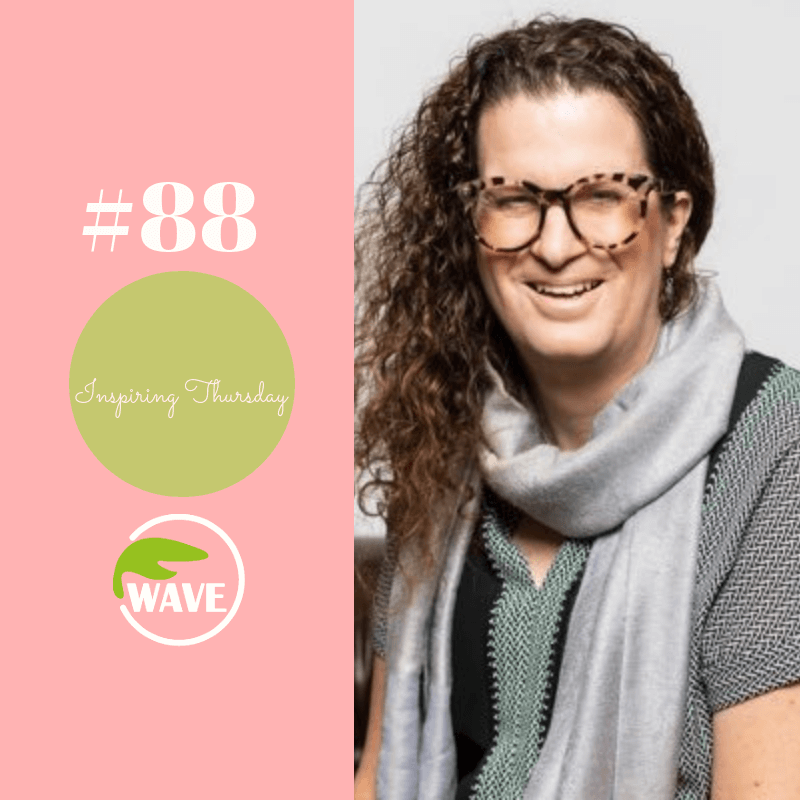
88 Kristen Worley

Inspiring Thursday: Kristen Worley

This month, in celebration of Pride, we’ll be posting stories of inspiring women who are activists in the LGBTQ+ community. Queer heroes aren’t often given … read article

87 Virginia Woolf

Inspiring Thursday: Virginia Woolf

Virginia Woolf is often credited for her extensive contributions to English literature and the transformation of the modern novel. Her feminist genius, however, becomes even … read article

86 bell hooks2

Inspiring Thursday: bell hooks

In the introduction to “Feminism is for Everybody,” African American scholar bell hooks describes her discovery of feminism as an opposition to “the strongest patriarchal … read article

85 Alexandra Kollontai

Inspiring Thursday: Alexandra Kollontai

In pre-revolutionary Russia, aristocratic women had little choice but to be expected to become faithful wives and devoted mothers, their lives revolving around domesticity and family duties. However, the Marxist revolutionary Alexandra Kollontai showed that it was possible to follow a different path. At the age of 27, she joined the Russian Social Democratic Labour Party. Eventually, she became the most prominent woman in the Soviet administration following the 1917 Bolshevik revolution, when she was appointed a diplomatic counsellor to the Soviet legation in Norway, being soon promoted to head of the legation – one of the first women to hold such a post.

read article

christopher czermak 705859 unsplash scaled

The lack of implementation of the Istanbul Convention in Italy

On September 10th, 2013, the Istanbul Convention was ratified by Italy and it entered into force almost one year later, on August 1st, 2014. By ratifying the Convention, Italy is obliged to prevent and eliminate violence against women (VAW), particularly by eradicating gender stereotypes which are deeply embedded in Italian culture. These are said to be the main cause behind the high rates of domestic violence and femicide, which have dramatically increased in the past couple of years. This issue was also highlighted by the former United Nations Special Rapporteur on
VAW, Rashida Manjoo(1), in her report about the situation of VAW in Italy from 2012, and was also reflected in the judgement passed by the European Court of Human Rights in 2017 concerning the case Talpis v. Italy.(2) The current legal framework is characterized by fragmentation, inadequate punishment of perpetrators, and lack of effective redress for women affected by violence.

read article

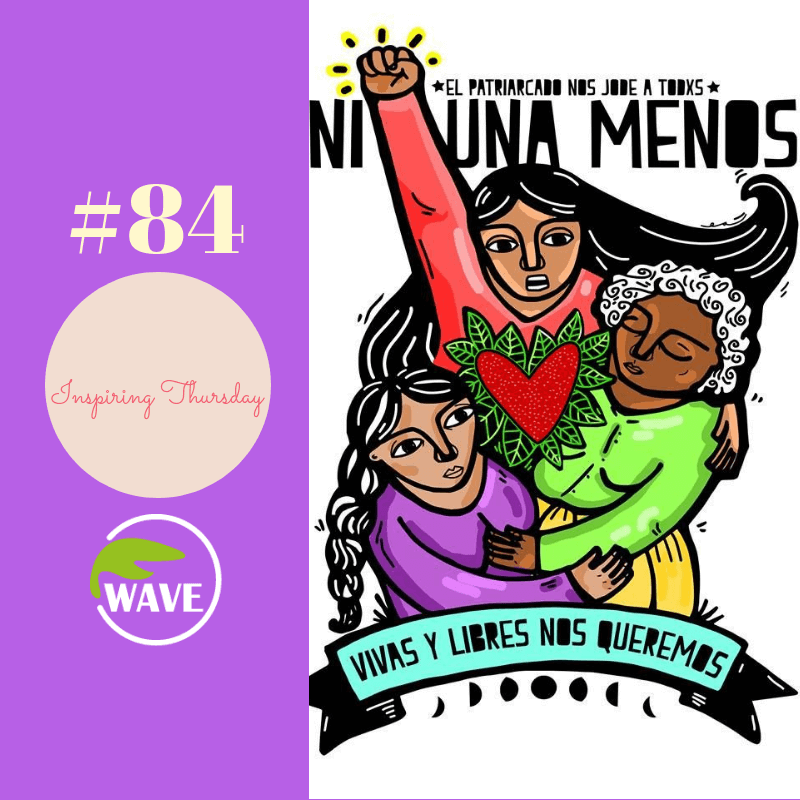
84 Ni Una Menos

Inspiring Thursday: Ni Una Menos

„Ni una menos! Vivas nos queremos!” (“Not one [woman] less! We want to stay alive!”) This “collective scream against machista violence”[1] is born in Argentina, … read article